
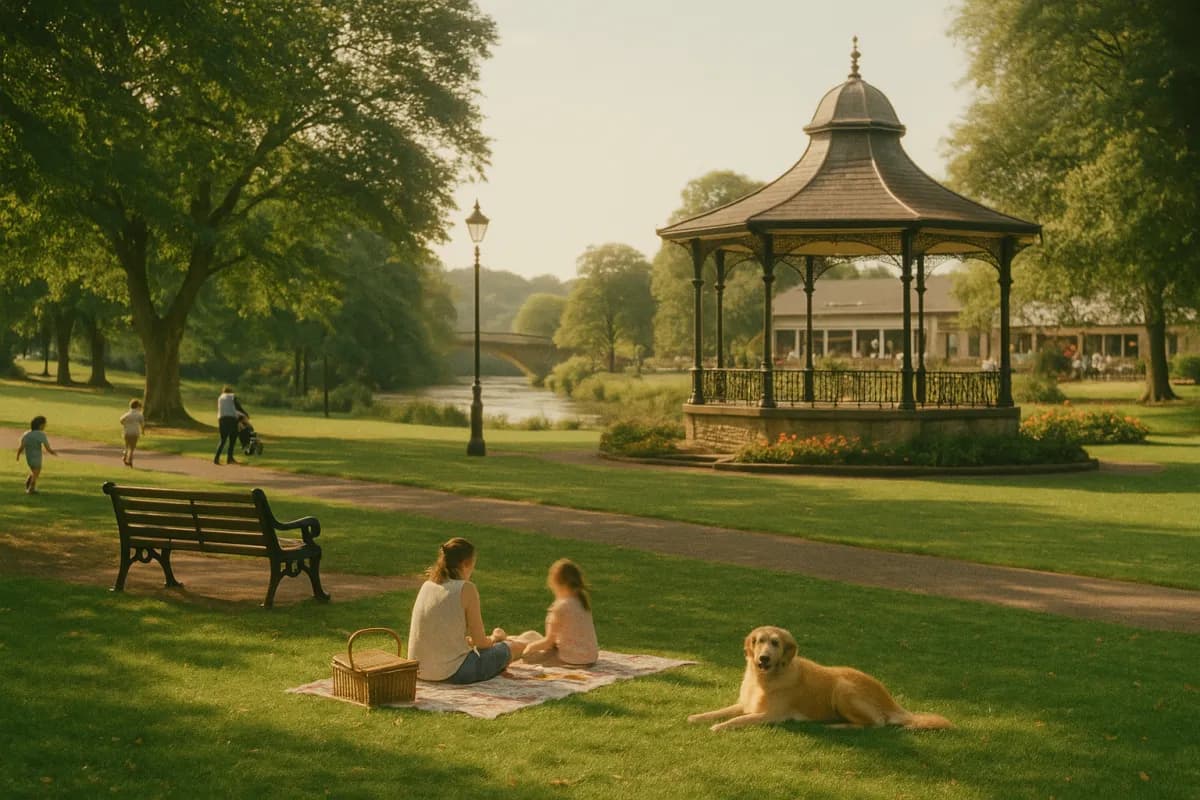
Gardeners in Saltaire & Shipley
Gardens in Saltaire range from tiny flagged back yards on the original terraces to proper lawned plots on the larger semis toward Higher Coach Road. Some people have both a yard and an allotment. Some have a shared ginnel and a couple of pots. Whatever you are working with, this page covers the practical realities of gardening in this part of the Aire valley — including the things that catch people out.
Two kinds of outdoor space — and they need different things
The original Saltaire terraces — the grid built between 1853 and 1876 — have small back yards. Stone flagged, often with a high wall on two or three sides, shaded for much of the day. These are not gardens in the conventional sense. There is no lawn to mow. The work is container planting, pressure-washing flags, repointing walls, and keeping drainage clear. A regular gardener is not usually what you need. A handyman with a pressure washer and a decent understanding of container plants is closer to the mark.
The larger properties — Higher Coach Road, the semis along Bingley Road, the detached houses on the edges of Shipley — have proper gardens with lawns, borders, hedges, and sometimes mature trees. These need regular maintenance: mowing, edging, hedge cutting, seasonal planting, leaf clearance. This is where a regular gardener earns their keep, and where the cost difference between doing it yourself and hiring someone becomes worth paying.
Roberts Park is, in a sense, the communal garden for the whole village. Sir Titus Salt intended it that way. But your own patch — however small — still matters, and knowing what kind of maintenance it actually needs saves both time and money.
“A small flagged yard needs a pressure washer and decent drainage. A full garden needs a regular gardener. Know which one you have.”
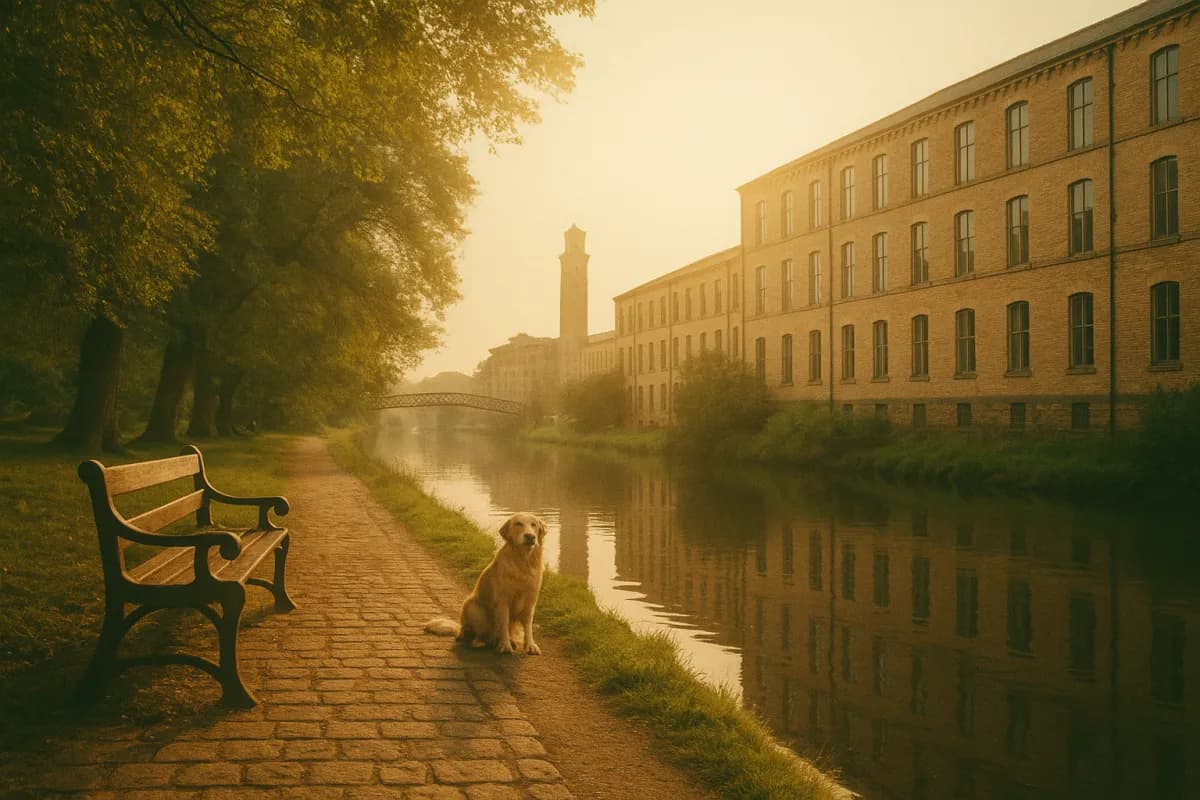
The Aire valley around Saltaire — lush and green, but that riverside environment brings its own gardening challenges, including invasive species.
Garden types in Saltaire — what maintenance actually looks like
Not every property needs a gardener. Understanding what you have helps you spend money where it matters.
Flagged yard (original terraces)
- Annual pressure wash of flags and walls
- Drain clearance (leaves, moss, debris)
- Repointing stone walls every 10–15 years
- Container planting (shade-tolerant varieties)
- Occasional weed treatment between flags
Typical annual cost: £100–£250 for maintenance
Full garden (semis & detached)
- Fortnightly mowing & edging (Mar–Oct)
- Hedge trimming 2–3 times per year
- Border maintenance and seasonal planting
- Autumn leaf clearance
- Annual pruning of shrubs and climbers
Typical annual cost: £600–£1,500 for regular visits
Gardening costs in the Saltaire area
Gardening is typically charged by the hour or by the visit. Waste removal is often the hidden extra — green waste does not dispose of itself, and a full clearance can generate more than a car boot will hold.
- Regular maintenance visit
- £25–£501–2 hours, mow/edge/tidy
- Hedge trimming (standard)
- £50–£150Depends on length and height
- Lawn treatment (per visit)
- £30–£60Feed, weed, scarify
- Garden clearance (small)
- £200–£400Including green waste removal
- Garden clearance (large/overgrown)
- £400–£600Skip hire may be extra
- Landscaping (patio/borders)
- £1,000–£5,000Varies hugely by scope
- Tree surgery (small tree)
- £150–£400Qualified arborist recommended
- Pressure washing (yard)
- £80–£150Flags, walls, and drainage
£25–£50
Per regular maintenance visit for a standard Saltaire garden. Most gardeners work in 1–2 hour blocks, fortnightly through the growing season. That works out at roughly £50–£100 per month from March to October — less than most people expect for a well-maintained garden.
Local knowledge that matters
Gardening in the Aire valley has specific complications that a gardener from outside the area may not think about. These are the ones that come up most.
Japanese knotweed in the Aire valley
Japanese knotweed is present along the River Aire and the Leeds–Liverpool Canal corridor. It spreads through root fragments — even a thumbnail-sized piece of rhizome in soil or rubble can establish a new plant. If knotweed is on your property, you have a legal obligation not to cause it to spread (Wildlife and Countryside Act 1981). Contaminated soil is classified as controlled waste.
Do not try to dig it out yourself or put it in your green bin. You need a specialist treatment plan — typically herbicide injection over 2–3 growing seasons. Mortgage lenders will not lend on a property with active knotweed without a treatment guarantee. If you spot it, deal with it properly. It does not go away on its own.
Tree work near the canal
If your garden backs onto the Leeds–Liverpool Canal, tree work may need permission from the Canal & River Trust (who own the towpath and canal corridor) and potentially the Environment Agency if roots stabilise the bank. Trees within the Conservation Area may also have automatic protection — you must give Bradford Council six weeks’ notice before doing any work on them, even in your own garden.
Green waste and garden clearance
Bradford Council collects green waste on alternate weeks (brown bin, free for most households). That is fine for regular maintenance. For a full garden clearance — cutting back years of overgrowth, removing old fencing, clearing a neglected plot — you will generate far more than the brown bin holds. Options are a skip (from about £200 for a mini skip) or a gardener who holds a waste carrier licence and will take it away in their van or trailer. Check that they are licensed — fly-tipping with garden waste carries the same penalties as any other illegal dumping.
Allotments: Hirst Wood and Shipley Glen
If your yard is too small for serious growing, there are allotment sites at Hirst Wood (off Hirst Lane) and on the approaches to Shipley Glen. Plots are managed by Bradford Council and have waiting lists, though turnover is steady. A standard 10-rod plot costs around £40–£60 per year. It is one of the better deals in the area if you want growing space — and the Hirst Wood site has views that most allotment holders in other cities would struggle to believe.
Knotweed warning
Japanese knotweed is a known problem in the Aire valley. It grows rapidly in spring and summer and can damage foundations, walls, and drainage.
- Tall bamboo-like stems with heart-shaped leaves
- Cream-white flower clusters in late summer
- Dead brown canes persist through winter
- Grows up to 10cm per day in peak season
- Legal obligation not to cause it to spread
Do not strim, mow, or dig it. Do not put it in your green bin. Contact a specialist knotweed treatment company for a survey and management plan.
Saltaire gardening calendar
- March–April
- First cut, border tidy, feed lawns. Plant out after last frost (usually mid-April here).
- May–August
- Regular mowing fortnightly. First hedge trim in June. Watch for knotweed growth.
- September–October
- Autumn tidy, leaf clearance, second hedge trim. Last lawn feed before winter.
- November–February
- Hard pruning of deciduous shrubs. Pressure wash yards. Plan for spring.
Saltaire Guide · Consult
1 / 10
What’s happening?
Pick the closest one — we’ll shape everything else around it. You can change your mind later.
Checking a gardener before they start
Gardening is unregulated. Anyone can call themselves a gardener, and most of the time that is fine for basic maintenance. But for clearance work, tree surgery, or anything involving waste disposal, some checks are worth doing.
- 1
Check their waste carrier licence.
If a gardener is taking green waste away in their van or trailer, they need a waste carrier licence from the Environment Agency. It costs about £150 and lasts three years. Ask to see it or check the public register online. Without it, they are technically fly-tipping — and so are you, if you paid them to do it.
- 2
For tree work, use a qualified arborist.
Regular gardeners can trim hedges and small shrubs. For anything involving a chainsaw, working at height, or removing a tree, you need someone with arboricultural qualifications. Look for Arboricultural Association membership or NPTC/City & Guilds chainsaw certificates. Unqualified tree work is dangerous and can be illegal if the tree is protected.
- 3
Ask about public liability insurance.
A gardener working on your property could damage a fence, break a pipe, or injure themselves. Public liability insurance covers these situations. It is not compulsory but it is standard for any gardener running a legitimate business. If they do not have it, you are taking the risk.
- 4
Agree the scope in writing.
Especially for clearance or landscaping work. What is being removed, what is staying, where the waste goes, and what the garden will look like when they leave. "Tidy up the garden" means different things to different people. A written scope — even a short email — prevents most disputes.
- 5
Check Conservation Area tree rules.
Trees in the Saltaire Conservation Area have automatic protection. You must give Bradford Council six weeks' written notice before doing any work on a tree — even pruning — unless it is dead, dying, or dangerous. Your gardener should know this, but many do not. Doing the work without notice is a criminal offence.
Our accountability register
Most gardening work is straightforward and most gardeners are decent people doing honest work. But clearance jobs and landscaping projects are where things sometimes go wrong — waste dumped illegally, protected trees removed without notice, hard landscaping that collapses within a season, invoices inflated well beyond the original quote.
If you have had gardening or landscaping work done in the Saltaire or Shipley area — through us or otherwise — and it was substandard (illegal waste disposal, unlicensed tree work, damage to neighbouring property, Conservation Area rules ignored), you can report it to us. We investigate patterns. If the same gardener or landscaper generates repeated independent complaints with the same issues, we will publish a factual summary. They are always given the chance to respond before publication.
For fly-tipping specifically, also report to Bradford Council (online or 01274 431000). For illegal tree work in the Conservation Area, contact Bradford Planning Enforcement.
Common questions
Real questions from Saltaire residents. If yours isn’t here, ask us.
How much does a regular gardener cost in Saltaire?
Most local gardeners charge £20–£35 per hour, with a typical maintenance visit (mow, edge, quick tidy) taking 1–2 hours. That works out at £25–£50 per visit, fortnightly through the growing season. Over a full year, expect to spend £600–£1,500 for regular garden maintenance on a standard-sized garden. Small yards cost much less — an annual pressure wash and tidy might be £100–£250.
Is Japanese knotweed common in Saltaire?
It is present in the Aire valley corridor, including along the canal and riverbanks near Saltaire. Whether it is in your specific garden depends on location and history, but if your property is near the canal or river, it is worth knowing what it looks like. Treatment typically costs £1,500–£5,000 depending on the extent, and takes 2–3 years of herbicide treatment to eradicate. Mortgage lenders require a treatment guarantee.
Can I cut down a tree in my garden in the Conservation Area?
Not without giving Bradford Council six weeks' written notice. Trees in Conservation Areas have automatic protection under the Town and Country Planning Act. During those six weeks, the council may decide to place a Tree Preservation Order (TPO) on it. The only exceptions are dead, dying, or dangerous trees — and even then, you should document the condition before removing. Fines for unauthorised tree work can be significant.
When does Bradford Council collect green waste?
Green waste (brown bin) is collected on alternate weeks throughout the year, though the service is sometimes reduced in winter. Check your specific collection day on the Bradford Council website. The brown bin takes garden waste only — no soil, rubble, treated timber, or Japanese knotweed. For larger quantities, a mini skip (around £200) or a licensed waste carrier is the alternative.
How do I get an allotment near Saltaire?
Apply through Bradford Council for the Hirst Wood or Shipley Glen allotment sites. There are waiting lists, but turnover is fairly regular — expect to wait 6–18 months depending on the site and plot size. A standard 10-rod plot costs approximately £40–£60 per year. Half-plots are sometimes available and are a good option if you are new to allotment growing.
Do I need planning permission for garden landscaping?
Most garden landscaping falls under permitted development and does not need planning permission. However, in the Conservation Area, building a wall or fence above a certain height on a front boundary may need approval. Hard surfaces over 5m² at the front of a property must use permeable materials or drain to a permeable area (to reduce flood risk). For significant changes, check with Bradford Planning before starting.
What grows well in a shaded Saltaire yard?
The high-walled stone yards on the original terraces are often shaded for most of the day. Ferns, hostas, heuchera, and shade-tolerant evergreens like skimmia and sarcococca do well in containers. For climbers, hydrangea petiolaris (climbing hydrangea) handles shade and is self-clinging on stone. Avoid sun-loving plants — they will just look miserable. A good local garden centre will advise on shade-tolerant varieties suited to the local climate.
Other local services
Honest guides for every trade. Same editorial approach, same accountability.